

Sporting events have always held a special place in our society, serving as a common ground for people of diverse backgrounds. They transcend mere entertainment, creating a powerful cultural impact that shapes communities and influences various aspects of life. These occasions unite fans, inspire emotions, and promote values such as teamwork and dedication. From the excitement of the final whistle to the profound stories behind the athletes, the essence of sport events resonates far beyond the playing field. By examining the social, economic, and emotional dimensions of these events, we can better appreciate their role in enhancing our collective human experience.
Main Points
- The social unification created by sport events.
- Economic benefits and challenges surrounding major competitions.
- The emotional narratives that emerge from athletic performances.

The Historical Significance of Major Sporting Events in Shaping Culture
Major sporting events have transcended mere competition; they have profoundly influenced societies throughout history. These events often serve as a mirror, reflecting the values, struggles, and aspirations of the cultures they represent. Sport, in its various forms, plays a vital role in unifying communities. This connection fosters a shared identity and collective pride among participants and spectators alike.
There are several crucial ways in which sporting events shape culture:
- National Pride: Countries rally around their teams, showcasing strength and unity on an international stage.
- Social Change: Sporting events can challenge societal norms, as seen with movements for gender equality and racial justice within sports.
- Economic Impact: Major events often stimulate local economies, promoting tourism and job creation in host cities.
Consequently, the cultural significance of these events cannot be underestimated. They are not merely games; they encapsulate the spirit of the people and can lead to transformative societal shifts.
Related content:
Navigating the Kaleidoscope of Life: Embracing Change and Uncertainty
How Major Sport Events Foster National Identity and Unity
Major sport events play a significant role in shaping national identity and fostering unity among citizens. These events, like the Olympics or the World Cup, ignite a sense of pride and belonging. Citizens rally behind their teams, showcasing a collective spirit that transcends individual differences. For instance, when a national team competes, communities come together to support their players, often viewing them as representatives of their country.
Unique Bonds and Shared Experiences
During such tournaments, shared experiences create unique bonds among people. Neighbors gather in homes, parks, and public squares, united in anticipation and celebration. This communal atmosphere fosters relationships and strengthens national pride. However, it’s essential to note that not all citizens may feel equally connected to these events. Some might view them skeptically, questioning their importance beyond mere sport entertainment.
Still, the emotional highs and lows experienced during major competitions undeniably build a sense of community. Ultimately, these occasions allow people to embrace their identity, elevating a shared narrative that belongs to everyone, whether they cheer for their national sport teams or simply enjoy the excitement of competition.
The Role of Media in Amplifying the Cultural Impact of Sports
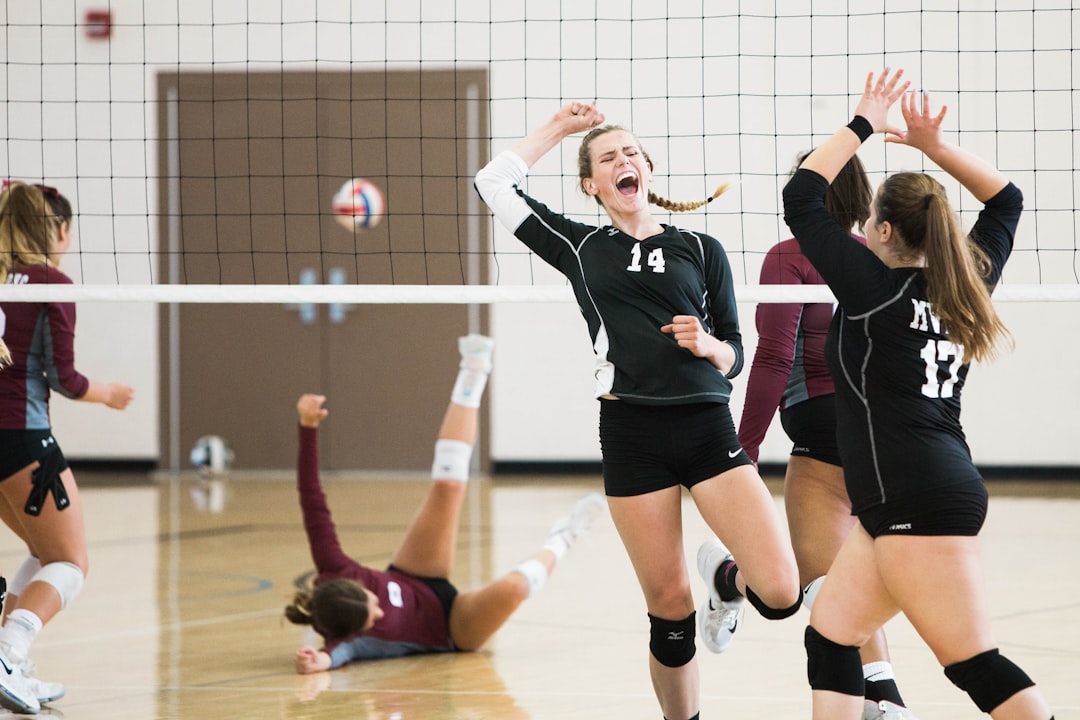
Media plays a crucial role in shaping and amplifying the cultural impact of sport. Through various platforms, from television broadcasts to social media, the narratives surrounding sport events evolve into significant cultural phenomena. For instance, when a local team wins a championship, the media coverage not only celebrates the victory but also encapsulates the emotions of the community. This connection fosters a sense of belonging and shared identity among fans.
Moreover, documentaries and articles about athletes often delve into their backgrounds, struggles, and triumphs. This storytelling creates a deeper understanding of how sport can influence societal values and inspire change. Yet, it’s essential to recognize that not all media representations are positive. Sensationalism can lead to misinterpretations, creating confusion about the realities of sport culture. Thus, while media serves as a powerful amplifier of sports’ cultural significance, it must be approached with a critical eye.
Examining the Economic Influence of Major Sport Events on Local Communities
Major sport events can have a profound economic impact on local communities. These gatherings frequently attract thousands of visitors, which boosts local businesses significantly. Hotels, restaurants, and shops often see a surge in customers, translating to increased revenue and job creation. However, it’s essential to approach this phenomenon with caution. While the increased revenue is attractive, the pressure on local infrastructure can lead to disadvantages.
Key Economic Effects
- Increased Tourism: The influx of visitors stimulates local attractions, thereby enhancing the community’s visibility.
- Job Creation: Temporary jobs arise in various sectors, particularly in hospitality and retail, which may not be sustainable long-term.
- Investment in Infrastructure: Cities may invest heavily in facilities and transportation, seeking to improve overall public services.
In conclusion, while the benefits of hosting major sport events are often emphasized, the associated challenges should not be overlooked. Balancing the economic advantages with community needs is crucial for sustainable development.
Major Sport Events as Catalysts for Social Change and Activism
Major sport events serve as powerful platforms for social change and activism. They capture global attention, uniting diverse audiences around shared values. These gatherings can amplify critical issues, drawing focus to societal inequalities and injustices. For instance, athletes often leverage their visibility to advocate for causes they are passionate about. When they speak out, it can resonate deeply, inspiring fans to engage. A memorable moment in this regard was when athletes kneeled during national anthems, sparking widespread conversation about racial injustice.
Moreover, sport organizations sometimes align with social causes, creating campaigns that educate and mobilize communities. Social media amplifies these efforts, allowing messages to traverse borders instantly. However, the commercialization of sport can also lead to conflicting interests, making it challenging to maintain authenticity. Nevertheless, major events continue to prove that when united, athletes and fans alike can catalyze meaningful dialogue and foster lasting change.
Cross-Cultural Exchanges: How Global Sports Unite Diverse Populations
Global sport serves as a universal language that transcends cultural boundaries, fostering connections among diverse populations. When nations come together on the field or court, they share not just a competition but also a mutual respect for the spirit of play. Events such as the Olympics or the FIFA World Cup create a unique platform for individuals to celebrate their diverse heritages while uniting over a common passion. Often, avid fans find themselves cheering for unexpected teams, driven by the joy of the game rather than their national allegiance.
Additionally, through sports, countries exchange traditions, values, and teamwork philosophies, enriching the global dialogue. The blending of customs often leads to innovative approaches in training, strategy, and even fan engagement. As stated by sports sociologist Dr. Maria Lopez,
“The beauty of sport lies not only in competition but also in its ability to break down barriers and build bridges.”
Ultimately, the power of sport lies in its capacity to bring people from all walks of life together, proving that unity can thrive in diversity.
The Intersection of Sport and Art: Cultural Expressions Surrounding Major Events
The intertwining of sport and art creates a vibrant tapestry of cultural expression, particularly during major events. These occasions serve not only as athletic competitions but also as platforms for artistic showcases. The lines between these two realms blur, highlighting the impact they have on society.
Key Aspects of the Intersection
- Artistic Performances: Events often feature dance, music, and visual arts that reflect the spirit of the competition.
- Public Art Installations: Temporary art pieces are erected to celebrate the heritage and significance of the sport being featured.
- Documentary Innovations: Filmmakers capture not just the games but also the emotional narratives behind the athletes.
This blend of sport and art invites audiences to explore deeper meanings and shared human experiences. It fosters a community spirit and enhances the overall event atmosphere. As fans, we engage not just with the athletic prowess but also with the creative expressions that accompany them.
Impact of Major Sport Events on Youth Development and Community Engagement
Major sport events not only captivate audiences but also foster significant development among youth and strengthen community bonds. Engaging in these events encourages teamwork and builds self-esteem among young participants. When youth are part of a larger sport culture, they cultivate values of discipline, respect, and perseverance. Additionally, these events create a unique platform for communities to come together, celebrating not just athletic talent but also shared identity and pride. Local businesses often thrive during such events, further enhancing community engagement.
Interestingly, the impact of these events can extend beyond mere participation. For instance, volunteering opportunities at major sport events allow youth to gain practical experiences, build networks, and develop leadership skills. This multi-faceted involvement plays a crucial role in promoting social cohesion and fostering an environment where the younger generation can thrive both personally and as part of a larger social fabric.
Future Trends: The Evolving Cultural Landscape of Sports in Society
The cultural landscape of sport in society is undergoing significant transformation. As technology continues to reshape our lives, the way we engage with sport is evolving. For example, the rise of virtual reality and augmented reality in sporting experiences offers fans an unprecedented level of immersion. This trend is not just about viewing; it’s about participation and interaction, effectively merging the lines between spectator and athlete.
Moreover, the discussion around inclusivity in sports has gained momentum. More diverse voices in leadership positions advocate for broader representation, which will likely redefine traditional narratives surrounding performance and competition. As we navigate these changes, the question arises: how do these developments influence our cultural identities? It’s a fascinating dynamic that intertwines societal values with the sport we love, urging us to rethink our engagement with it on multiple levels.
Conclusion
In conclusion, the world of sport events offers a unique glimpse into our shared humanity. These gatherings bring people together, fostering a sense of community and connection that transcends borders. While the competition can be intense, the moments of joy, camaraderie, and even heartbreak create lasting memories. Engaging in these events, whether as a participant or a spectator, reminds us of the values of teamwork and perseverance. Indeed, sport events serve as a powerful reminder that, despite our differences, we all share a passion for the game and a desire to celebrate athletic achievement.
Frequently Asked Questions
What are the most popular sports events worldwide?
Some of the most popular sports events worldwide include the FIFA World Cup, the Olympic Games, the Super Bowl, and the UEFA Champions League.
How often do major sports events occur?
Major sports events occur on various schedules. For example, the Olympics are held every four years, while the FIFA World Cup takes place every four years but in alternating even years.
What is the significance of the Olympic Games?
The Olympic Games are a major international multi-sport event that promotes unity, sportsmanship, and competition among nations.
How can I watch live sports events?
You can watch live sports events through various platforms, including television broadcasts, online streaming services, and sports channels.
What are the economic impacts of large sports events?
Large sports events can significantly boost local economies through tourism, increased spending in local businesses, and job creation.
How do teams qualify for tournaments like the World Cup?
Teams qualify for tournaments like the World Cup through regional qualifying matches held in their respective confederations.
What role do volunteers play in sports events?
Volunteers are crucial for the smooth operation of sports events, providing support in various areas such as management, hospitality, and logistics.
Are there any environmental concerns related to sports events?
Yes, large sports events can have environmental impacts, including waste production, resource consumption, and carbon emissions. Many organizations are working to promote sustainable practices.
How can athletes prepare for major competitions?
Athletes prepare for major competitions through rigorous training, nutrition management, mental conditioning, and injury prevention strategies.
What safety measures are taken during sports events?
Safety measures during sports events include medical personnel on-site, security protocols, emergency response plans, and adherence to regulations regarding equipment and facilities.
