

Elevating your game is not just about physical training; it encompasses a holistic approach to achieving peak performance in sports. Many athletes strive to improve their skills, endurance, and agility, but often overlook crucial factors that influence their success. Mental resilience, tailored nutrition, and effective recovery methods play vital roles in enhancing sport performance. By understanding these aspects and integrating them into your routine, you can unlock your true potential and reach new heights in your athletic journey. In this article, we will explore key strategies that can help you elevate your game and achieve remarkable results.
Main Points
- Mental resilience: Build a strong mindset to overcome obstacles.
- Nutrition: Fuel your body with the right nutrients for optimal energy.
- Recovery: Implement effective recovery techniques for sustained progress.

Understanding the Mind-Body Connection in Athletic Performance
The relationship between the mind and body plays a crucial role in enhancing athletic performance. Many athletes often underestimate how mental states influence physical capabilities. By understanding this connection, performers can unlock their full potential. The intricate interplay of mental focus, emotional resilience, and physical condition creates a dynamic environment for achieving peak performance.
To harness the power of this connection, consider the following key points:
- Visualization: Athletes frequently use mental imagery to rehearse their movements, which primes the body for action.
- Mindfulness: Practicing mindfulness can reduce anxiety, allowing athletes to remain composed during competitions.
- Positive Self-Talk: Encouraging internal dialogue boosts confidence and reinforces determination, both crucial for success.
Ultimately, fostering a strong mind-body connection can lead to significant improvements in sport performance. Athletes should not merely focus on physical training; they must also cultivate their mental capabilities. This holistic approach enables them to achieve remarkable results, leading to greater satisfaction in their sport journey.
In conclusion, the synergy between mental and physical elements is essential for any athlete. By prioritizing this connection, one can transcend limits and redefine success in sport. Embrace the mind-body connection and watch your athletic endeavors flourish.
Related content:
Beyond the Horizon: Crafting Life Goals That Ignite Your Passion
The Importance of Nutrition: Fueling Your Body for Success
Nutrition plays a pivotal role in our daily lives, influencing not only our overall health but also our sport performance. Proper fuel helps to enhance energy levels, boost endurance, and facilitate recovery. However, the landscape of nutrition is often confusing. Many people assume that simply eating more protein is sufficient for success in sport. Yet, a well-rounded diet, rich in carbohydrates, healthy fats, vitamins, and minerals, is crucial. Understanding the right balance can be tricky, but it is essential.
The Role of Macronutrients
Carbohydrates provide quick energy, while proteins are vital for muscle repair. Fats, although often misunderstood, offer essential fatty acids needed for optimal endocrine function. Many athletes forget to incorporate adequate hydration into their nutrition plan, resulting in fatigue and decreased performance.
| Nutrient | Function |
|---|---|
| Carbohydrates | Energy source for high-intensity exercise |
| Proteins | Muscle repair and growth |
| Fats | Long-lasting energy and hormonal balance |
Ultimately, the key is to listen to your body and adapt your nutrition to meet your personal goals. After all, you wouldn’t fuel a high-performance vehicle with low-grade fuel, would you? Your body deserves the best.
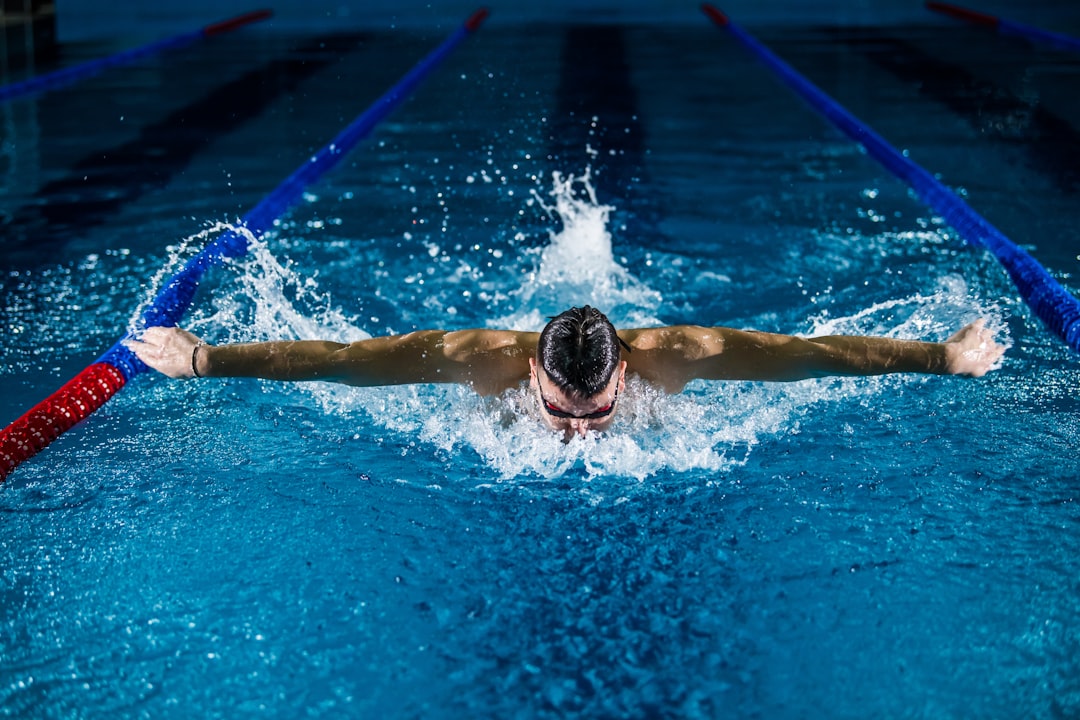
Incorporating Strength and Conditioning for Enhanced Physical Abilities
To truly excel in any sport, athletes must prioritize strength and conditioning. This isn’t just about lifting weights; it’s a holistic approach that encompasses flexibility, endurance, and mobility. Incorporating these elements into your training routine can significantly enhance your physical capabilities. For instance, resistance training helps build muscle mass, while conditioning exercises improve cardiovascular performance. These factors contribute to overall stamina and agility, making a noticeable difference in how you perform during competitions.
Benefits of a Comprehensive Training Program
Additionally, a well-balanced strength and conditioning program can prevent injuries. By focusing on strengthening stabilizing muscles, athletes become less susceptible to strains and sprains during high-intensity workouts or matches. Also, incorporating rest periods allows for proper recovery, which is vital in any sport. Remember, the journey towards fitness is a marathon, not a sprint. Stay consistent and motivated; it makes all the difference. Thus, athletes who emphasize these training aspects not only enhance their performance but also foster long-term sustainability in their sport.
Finally, don’t underestimate the mental benefits. Training your body effectively often boosts your confidence, helping you push boundaries in your favorite sport.
The Role of Sleep and Recovery in Maximizing Athletic Performance
Sleep and recovery play a crucial role in enhancing athletic performance. When athletes prioritize rest, they enable their bodies to repair muscles and restore energy levels. This process is essential because intense training can lead to fatigue and overuse injuries. Interestingly, the quality of sleep can be as important as the quantity. While some athletes might believe they can function on minimal rest, studies show that insufficient sleep can impair cognitive function and decision-making skills during sport events.
Here are key aspects to consider:
- Muscle Repair: Sleep facilitates the release of growth hormones, which are vital for muscle recovery.
- Energy Restoration: Adequate rest replenishes glycogen stores, thus ensuring athletes maintain their stamina.
- Cognitive Function: A well-rested mind aids focus, reaction time, and overall performance in competitive sport.
Furthermore, athletes should incorporate active recovery techniques, such as stretching or light exercise, to complement their sleep patterns. By doing so, they can maximize their readiness for upcoming challenges. Balancing training with sufficient rest ensures athletes perform at their peak during crucial moments in their sport pursuits.
Setting SMART Goals: A Strategic Approach to Sports Training
Setting effective goals is vital for anyone engaged in serious sport training. The SMART framework—Specific, Measurable, Achievable, Relevant, Time-bound—provides a structured way to define what you want to accomplish. First, a specific goal articulates exactly what you intend to achieve; for instance, improving your 5K run time. Then, making it measurable involves setting clear parameters, such as reducing your time by two minutes. Achievability examines the realism of your goal, ensuring it’s within reach based on your current ability.
Relevance ties the goal to your broader training ambitions. Ask yourself, “Does this goal support my overall progress in sport?” Finally, establishing a timeframe creates urgency and helps maintain motivation. Perhaps you set a deadline of three months to hit your target. By following the SMART approach, you can navigate the complexities of sport training with clarity and focus, helping you reach your full potential effectively.
Exploring the Benefits of Mental Training Techniques for Athletes
Mental training techniques have become increasingly important in the world of sport. Athletes today are realizing that enhancing their mental game is just as vital as their physical preparation. Techniques such as visualization, self-talk, and mindfulness can significantly improve performance and focus. However, the effectiveness of these methods often leads to confusion—how do you actually incorporate them into regular training routines?
For instance, visualization involves picturing yourself achieving success, but what if those images are too vague? It’s essential to create detailed mental scenarios to reap the most benefits. Similarly, self-talk can boost confidence, yet negative thoughts may creep in unexpectedly, undermining one’s efforts. This is where consistent practice becomes crucial.
“The mind is everything. What you think you become.” – Buddha
Ultimately, the integration of mental techniques requires patience and perseverance. As athletes delve into these practices, they not only enhance their sport performance but also cultivate resilience, making it a win-win situation.
Utilizing Technology and Training Aids to Track Progress and Performance
In today’s competitive environment, effectively tracking progress and performance in sport has become crucial. Technology offers various tools that allow athletes and coaches to monitor their advancements. For instance, wearable devices provide real-time data on various metrics, including heart rate and distance covered. This data can be analyzed to enhance training regimens.
Moreover, training aids such as video analysis software enable athletes to visually assess their techniques. This not only fosters improvement but also boosts motivation. Integrating these technologies can lead to significant performance gains.
Here are a few methods to utilize technology effectively:
- Wearables: Devices like smartwatches track performance metrics.
- Mobile Apps: These help in setting goals and keeping a training diary.
- Video Analysis: Assists in identifying areas for improvement.
By embracing these technologies, athletes can stay ahead of the curve and achieve their objectives in sport.
The Significance of Consistency and Routine in Sports Excellence
Consistency and routine are the bedrock of achieving excellence in sport. These elements foster discipline, which is crucial for athletes striving to reach their peak potential. When athletes stick to a regular training schedule, they build muscle memory and improve their skills. Moreover, routines create a sense of comfort, enabling athletes to focus on performance rather than anxiety. However, one might argue that spontaneity in sport could lead to breakthroughs, yet the reality often leans towards structured training methods yielding better results.
Key Benefits of Consistency in Sports
When we discuss consistency, we can’t overlook its psychological benefits. Athletes often experience reduced stress levels and increased confidence through repeated practices. In addition, regular routines allow coaching strategies to be effectively tested and refined, ensuring that athletes perform optimally in competitions. Remember, excellence doesn’t happen overnight; it is the culmination of relentless effort and adherence to established routines in sport.
| Benefit | Explanation |
|---|---|
| Skill Development | Regular practice improves technique. |
| Mental Strength | Strength in facing competition increases. |
Injury Prevention Strategies: Keeping You in the Game Longer
Engaging in sport can be thrilling, yet it comes with its fair share of risks. Therefore, adopting effective injury prevention strategies is crucial. Firstly, warming up is essential. It increases blood flow, making muscles more pliable and ready for action. Stretching helps improve flexibility, reducing the likelihood of strains. Secondly, proper gear plays a significant role. Wearing appropriate footwear and protective equipment tailored to your sport can shield you from unforeseen accidents. Moreover, it’s vital to listen to your body. If a certain movement causes pain, don’t push through it. Ignoring signs can lead to severe injuries that keep you off the field longer than necessary. Additionally, cross-training can enhance overall fitness, distributing physical demands and lowering the risk of overuse injuries. Finally, stay hydrated. Dehydration can impair performance and increase injury risk, so always drink plenty of water, particularly during intense sport activities.
The Influence of Coaching and Mentorship on Athletic Development
Coaching and mentorship play pivotal roles in shaping an athlete’s journey. These relationships often transcend mere guidance, creating a foundational support system. Coaches, acting as the main architects of performance, provide essential feedback and tactical insights. They help athletes refine their skills while understanding the mental aspects of sport performance. In contrast, mentors offer a broader perspective, focusing on personal growth and resilience.
Interestingly, the impact of mentorship can sometimes be overlooked. While coaches work on technique, mentors often nurture the emotional side of sport, teaching athletes to navigate challenges and setbacks. The synergy between these roles creates a well-rounded development environment.
The key elements of this influence include:
- Tailored Training: Personalized plans designed for each athlete.
- Mental Resilience: Strategies to boost confidence and persistence.
- Networking Opportunities: Connections to resources and other athletes in the sport community.
Ultimately, the combination of coaching and mentorship fosters not only skilled athletes but also well-rounded individuals prepared for life’s challenges.
Conclusion
In conclusion, achieving optimal sport performance requires a holistic approach that encompasses physical training, mental focus, and proper nutrition. Athletes must not only refine their skills but also nurture their mindset to overcome challenges. It’s essential to recognize that dedication and perseverance can significantly influence outcomes. By prioritizing these elements, one can pave the way for success both on and off the field. Thus, creating an environment that fosters growth and resilience is vital for any athlete aiming to enhance their sport performance.
Frequently Asked Questions
What is sport performance?
Sport performance refers to how well an athlete performs in their sport, which includes physical abilities, techniques, strategies, and mental preparedness.
How can I improve my sport performance?
To improve your sport performance, focus on a balanced training regimen that includes strength, endurance, flexibility, and skill-specific practice, as well as proper nutrition and rest.
Does nutrition impact sport performance?
Yes, nutrition plays a crucial role in sport performance. Proper fueling can enhance energy levels, improve recovery, and optimize overall performance.
What role does mental training play in sports performance?
Mental training helps athletes develop focus, confidence, and resilience, which are essential for performance under pressure.
How important is rest and recovery for athletes?
Rest and recovery are vital for athletes as they help prevent injuries, promote muscle repair, and allow the body to adapt to training.
What are common injuries that can affect sport performance?
Common injuries include sprains, strains, fractures, and tendonitis, which can significantly impact an athlete’s ability to perform.
How can I track my sport performance progress?
You can track your progress by keeping a training log, using performance metrics, video analysis, and seeking feedback from coaches.
Are there any supplements that can enhance sport performance?
Some athletes may benefit from supplements like protein, creatine, or branched-chain amino acids, but it’s important to consult with a healthcare professional before using them.
What is the role of coaching in sport performance?
Coaching is essential for developing an athlete’s skills, providing guidance on technique, creating training plans, and offering psychological support.
How does age affect sport performance?
Age can impact an athlete’s physical capabilities, but with appropriate training and conditioning, athletes can maintain or even improve performance at older ages.
