

Imperfection is an inevitable part of being human, yet we often shy away from it. We strive for perfection, believing that flaws make us weak or unworthy. However, embracing our imperfections can lead to profound growth and understanding. This journey teaches us valuable life lessons that shape who we are. When we accept our flaws and failures, we learn resilience, empathy, and authenticity. These experiences not only define our character but also connect us to others who share similar struggles. By welcoming imperfection into our lives, we create space for self-discovery and personal transformation.
Main Points
- Recognizing the value of flaws in personal growth.
- Understanding how failures teach resilience.
- Building deeper connections through shared imperfections.
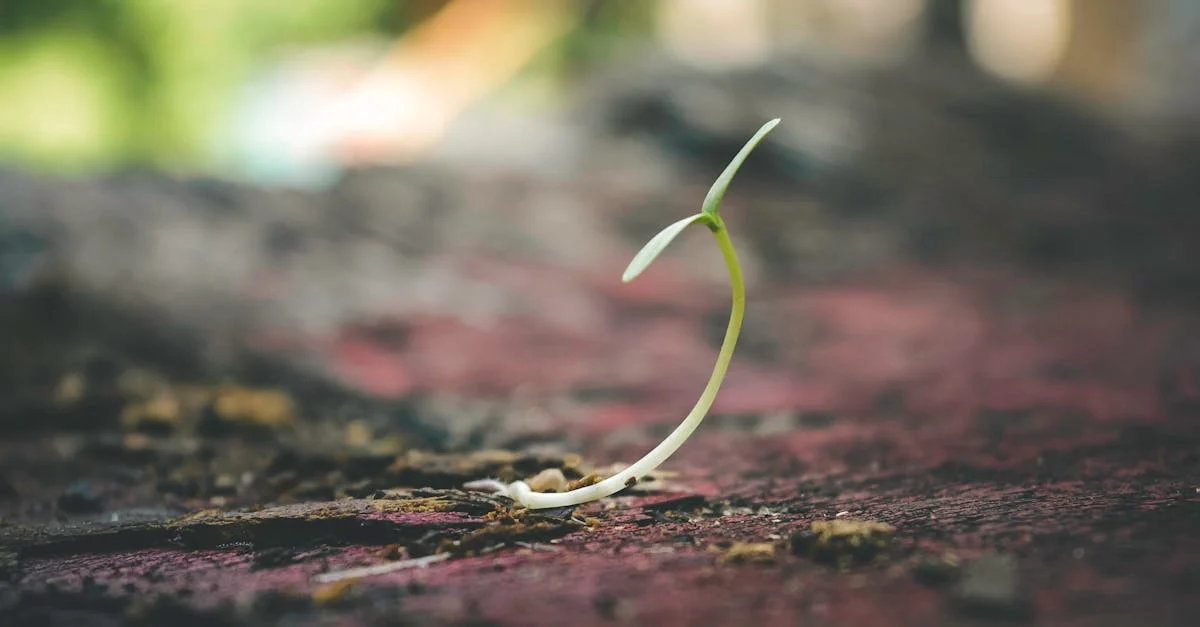
The Beauty of Flaws: How Imperfections Shape Our Identity
Embracing imperfections can be a profound journey. Flaws often reflect our unique experiences, leading to a richer understanding of self. In this context, we can explore several essential aspects of how these imperfections contribute to our identity.
Key Insights on Embracing Flaws
- Authenticity: Being authentic means being true to ourselves, including our flaws. Accepting imperfections allows us to present a more genuine version of ourselves.
- Growth: Flaws often serve as growth opportunities. When we confront our imperfections, we engage in a process of transformation that can enhance our personal journey.
- Resilience: Overcoming flaws builds resilience. Each challenge reshapes us, adding depth to our character and fortifying our identity.
Moreover, flaws foster connections with others. They remind us that we are not alone in our struggles. By sharing our imperfections, we create bonds that enrich our life. In this way, flaws are not just blemishes; they are essential parts of the beautiful mosaic that is our life. Ultimately, they shape who we are in ways we might not always notice.
Related content:
Life: The Unexpected Lessons Found in Everyday Moments
Fail Forward: Turning Setbacks into Stepping Stones
In our journey through Life, setbacks are often perceived as failures. However, adopting a mindset of “failing forward” can dramatically alter our perspective. Instead of viewing obstacles as dead ends, we can treat them as learning opportunities. This means reflecting on experiences, identifying lessons, and applying them to future endeavors.
Why Failing Forward Matters
When we embrace the idea of failing forward, we become more resilient. Each stumble can pave the way for growth, enhancing our problem-solving skills. Interestingly, some of the world’s most successful individuals attribute their triumphs to the lessons learned from their mistakes. In retrospect, these setbacks often encourage innovation and drive.
| Setback | Lesson Learned |
|---|---|
| Failed Business | Market Research is Essential |
| Rejected Application | Skills Need Refinement |
Ultimately, it’s about reshaping our understanding of failure in Life. Instead of being intimidating, it can serve as a powerful catalyst for change.

The Psychology of Imperfection: Why We Fear Failure
The fear of failure is deeply ingrained in human psychology. It often stems from the belief that life must be flawless to be worthwhile. This notion can create a significant barrier to personal growth. Many individuals avoid risks altogether to escape the discomfort of potential mistakes. However, embracing imperfection can lead to profound life lessons. Understanding that failure is a natural part of life, rather than an endpoint, can transform our perspectives.
Understanding Our Fear
Our upbringing and societal standards often dictate our views on success and failure. We tend to idolize perfection, which warps our understanding of achievement. Consequently, the fear of falling short is paralyzing; it stifles creativity and hinders our ability to explore new avenues. When we accept that imperfection is not only inevitable but also valuable, we can unlock our potential. This shift in mindset encourages resilience and fosters growth, ultimately enriching our life experiences.

Lessons from the Unpolished: Real Stories of Growth and Resilience
Throughout our life, we encounter myriad challenges that shape us. It’s often in these unrefined moments that true growth occurs. Many of us may feel like we’re constantly polishing our stories, seeking perfection. Yet, the most profound lessons come from our imperfections.
Real Stories of Resilience
Consider the following examples that illustrate resilience:
- Overcoming Failure: A failed project can feel like a dead end, but it often serves as a stepping stone toward success.
- Embracing Vulnerability: Sharing struggles can foster connection, reminding us that we’re not alone in our journey.
- Learning Patience: Achieving our dreams takes time. Patience nurtures our growth and helps us appreciate the process.
Ultimately, the lessons learned from our unpolished experiences define our journey. We should embrace these moments, for they build character and resilience. As we move through life, let’s remember that perfection is not the goal; rather, it’s the wisdom gained through our trials that truly matters.
Embracing Vulnerability: The Power of Authenticity in Our Flaws
In a world that often glorifies perfection, embracing vulnerability becomes an act of courage. By acknowledging our flaws, we invite authenticity into our lives. This authenticity fosters genuine connections, allowing us to share our true selves with others. However, isn’t it strange how we sometimes hide our imperfections? We fear judgment, yet it is precisely these flaws that make us human.
When we embrace our vulnerabilities, we tap into a profound strength. This strength empowers us to navigate the uncertainties of life. We learn to lean into discomfort, which ultimately enriches our experiences. The journey of self-acceptance can feel daunting, yet it is essential for personal growth. Each misstep we own leads to deeper understanding, reminding us that perfection is an illusion.
Finding Power in Our Imperfections
Ultimately, the power of authenticity lies in its ability to connect us. When we allow ourselves to be seen, flaws and all, we create a space that encourages others to do the same. It’s a cycle of liberation, one that transforms the narrative we tell ourselves about life, pushing us to embrace our stories fully.
So, let’s choose vulnerability over façades. After all, isn’t it through our flaws that we uncover the true essence of life?
From Mistakes to Mastery: Learning to Love Our Missteps
Mistakes are often viewed as failures, yet they are essential stepping stones on the path to mastery. When we embrace our errors, we allow ourselves to grow and learn. Each misstep offers a unique lesson, guiding us toward improvement. However, it’s crucial to shift our mindset from fear of failure to appreciation of these experiences. This transformation fosters resilience and creativity.
“The greatest glory in living lies not in never falling, but in rising every time we fall.” – Nelson Mandela
In this journey, life becomes a canvas where every brushstroke matters, even the mistakes. We must understand that the intricacies of life often lie within the imperfections. Therefore, every slip-up challenges us to adapt and innovate. While it’s tempting to dwell on what went wrong, it’s important to recognize that these experiences shape our identities and skills.
Ultimately, learning to love our missteps makes the adventure of life richer and more fulfilling. Embrace your mistakes, for they are the keys to unlocking your potential.
The Role of Self-Compassion in Accepting Our Imperfections
Self-compassion plays a vital role in our ability to embrace imperfections. It encourages us to recognize that everyone experiences flaws and failures. This universal aspect of the human life experience fosters a sense of connection. By accepting our own shortcomings, we not only alleviate shame but also cultivate a healthier perspective on our life journeys. Often, we might wrestle with self-criticism, leading to feelings of inadequacy and discouragement. However, self-compassion offers a gentle reprieve.
Here are ways self-compassion aids in accepting our imperfections:
- Mindfulness: Being aware of our feelings without judgment allows us to confront imperfections openly.
- Self-kindness: Treating ourselves as we would a friend fosters a nurturing environment for growth.
- Common humanity: Understanding that imperfection is a shared human condition creates a sense of belonging.
In summary, incorporating self-compassion into our daily life helps us recognize that imperfections are not barriers but stepping stones towards personal growth and acceptance.
Flaws as Catalysts: How Embracing Failure Drives Innovation
In a fast-paced world, the concept of life often feels linear—success leading to success. However, the reality of innovation tells a different story. Failure, often perceived as a setback, can actually serve as a powerful catalyst for progress. When individuals and organizations embrace their mistakes, they uncover invaluable insights that drive creative solutions.
The Role of Failure in Development
When we encounter flaws, it’s easy to succumb to disappointment. Yet, these experiences challenge our perspectives, compelling us to rethink our strategies. For instance, startups that adapt after faltering often outperform their competitors. They learn, iterate, and ultimately innovate in ways that others may not.
Thus, rather than avoiding failure, we should lean into it. Embracing flaws energizes the creative process, fostering an environment where ideas can flourish. It transforms our approach to life and business, encouraging resilience and adaptability. The next time you face a challenge, remember: innovation thrives on the lessons of failure.
The Art of Imperfection: Finding Strength in Our Weaknesses
Life is filled with imperfections, yet it’s often these very flaws that shape us. Embracing our weaknesses allows for growth and resilience. When we acknowledge what we perceive as shortcomings, we not only foster self-acceptance but also cultivate genuine connections with others. After all, shared vulnerabilities pave the way for authentic relationships.
The paradox lies in the fact that by admitting our faults, we often find unexpected strengths. For example, a person who struggles with anxiety may develop remarkable empathy toward others facing similar challenges. This journey of self-discovery can reveal the beauty hidden in our flaws.
Turning Struggles into Strengths
We must remember that perfection is an illusion. It’s in the messy, chaotic moments of life that significant lessons often emerge. By celebrating our imperfections, we can transform the narrative of weakness into a story of unwavering resilience and growth.
Ultimately, embracing our flaws enriches our life, prompting us to explore our authentic selves and deepen our connections with the life around us. In this acceptance, we uncover a profound strength that can propel us forward on our journey.
Cultivating a Growth Mindset: Transforming Flaws into Opportunities
Embracing a growth mindset reframes the way we perceive our life challenges. Rather than viewing flaws as setbacks, we can see them as unique opportunities for growth. This transformative perspective allows individuals to explore their potential more fully. Engaging in reflective practices can help illuminate areas for improvement, ultimately leading to personal development.
Key Steps to Foster a Growth Mindset
- Embrace Feedback: Accept constructive criticism as a tool for improvement.
- Set Realistic Goals: Create small, achievable goals that lead to greater success over time.
- Reflect on Experiences: Analyze both successes and failures to draw valuable lessons.
Understanding that mistakes are essential components of life fosters resilience. Every misstep presents a teachable moment, urging us to adapt and grow. By shifting our outlook, we can transform our flaws into stepping stones for progress. Thus, cultivating a growth mindset encourages a continuous journey toward self-improvement and fulfillment.
Conclusion
In conclusion, navigating through life’s complexities often teaches us invaluable life lessons. We may encounter uncertainties that shape our understanding of ourselves and the world. By embracing these moments, we can grow stronger and more resilient. Learning from our experiences allows us to develop a deeper appreciation for both the challenges and the joys that life presents. Ultimately, our journey becomes a tapestry woven with understanding, compassion, and wisdom, proving that even in the unknown, transformative lessons await.
Frequently Asked Questions
What are some essential life lessons everyone should learn?
Some essential life lessons include the importance of resilience, the value of kindness, and the need to embrace change.
How can I apply life lessons to improve my daily life?
You can apply life lessons by reflecting on past experiences, setting clear goals, and consciously practicing what you’ve learned in your interactions and decision-making.
Are life lessons only learned from failures?
Not necessarily; life lessons can be learned from successes, the advice of others, and even through observation of the world around you.
How do life lessons differ between cultures?
Life lessons can differ based on cultural values, beliefs, and social norms, which shape how individuals understand and approach various life experiences.
Can life lessons change over time?
Yes, life lessons can evolve as we gain new experiences, encounter different challenges, or undergo personal growth.
What role does self-reflection play in learning life lessons?
Self-reflection is crucial for learning life lessons as it allows individuals to analyze their experiences, recognize patterns, and internalize insights.
Is it ever too late to learn important life lessons?
It’s never too late to learn important life lessons; personal growth can occur at any age and can lead to positive changes in life.
Can life lessons be taught, or do they have to be experienced?
While some life lessons must be experienced firsthand, many can be taught through stories, guidance, and education.
How can I share my life lessons with others?
You can share your life lessons through storytelling, mentoring, writing, or simply by discussing your experiences with friends and family.
What is the most important life lesson to learn?
The most important life lesson varies from person to person, but many would agree that understanding and accepting oneself is foundational to a fulfilling life.
