

As we step into 2025, the world of fashion is evolving in ways we could only dream of a few years ago. Embracing sustainability is no longer a trend; it has become a necessity. People are craving clothing that tells a story, that is not only beautiful but also kind to our planet. This year, let’s dive into styles that reflect our values, showcasing an array of eco-friendly choices. From innovative fashion design to affordable options, sustainable fashion is paving the way for a more responsible and stylish future.
Main Points
Sustainable fashion in 2025 emphasizes eco-conscious choices, allowing consumers to make a positive impact. Key trends include the rise of eco-friendly materials, which are becoming integral in high fashion. Affordable fashion brands are also adopting sustainable practices, ensuring that style doesn’t come at a high price. Innovations in fashion accessories are adapting to meet ecological standards, while fashion photography showcases the beauty of these responsible choices. Overall, 2025 promises a vibrant and conscientious fashion landscape that harmonizes style with sustainability.

The Evolution of Eco-Friendly Materials in Contemporary Fashion
The journey of eco-friendly materials in contemporary fashion signifies a dynamic transformation. It reflects not merely a trend, but a fundamental shift towards sustainable practices. Designers today are weaving innovation into their collections, blending classic techniques with modern technology. This evolution fosters a deeper connection between consumers and the environment, encouraging conscious choices. Here are key aspects shaping this movement:
- Fashion trends: The rise of minimalism and ethical consumption.
- Sustainable fashion: Utilizing organic fabrics and recycled materials.
- Fashion accessories: Emphasizing handmade and locally sourced items.
As we embrace eco-conscious choices, the fashion landscape evolves into a more vibrant, responsible future.
Related content:
Reviving the Classics: Crafting the Perfect Old Fashioned Kit for Timeless Cocktails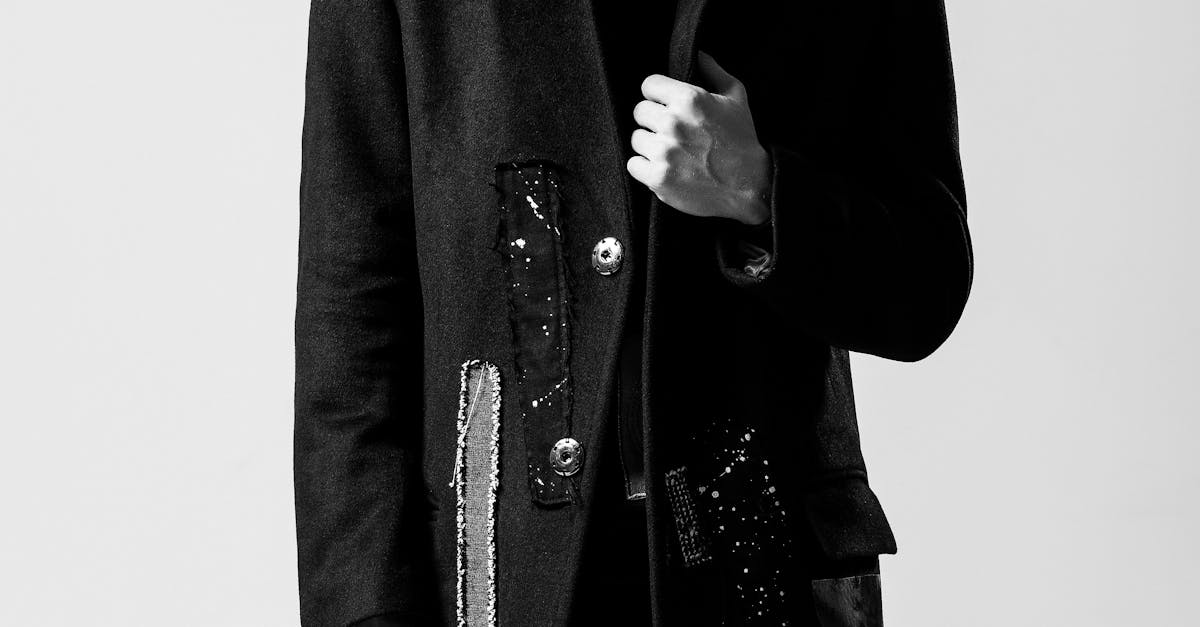
Circular Fashion: Redefining Waste in the Industry
Circular fashion transforms the traditional notion of waste into a resourceful opportunity. This innovative approach encourages brands to rethink their production processes, considering sustainability as a core value. In high fashion, for example, luxury labels are beginning to embrace upcycled materials, blending waste reduction with artistic expression. As we turn to affordable fashion options, consumers can also play a pivotal role by choosing brands that prioritize eco-conscious practices. Together, we can redefine the narrative around fashion, creating a future that values creativity over waste.
| Aspect | Impact |
|---|---|
| Fashion Photography | Showcasing recycled materials |
| Consumer Awareness | Encouraging sustainable choices |
| Brand Responsibility | Implementing eco-friendly practices |
By educating ourselves and making conscious decisions, we can elevate the conversation around fashion to a new level, one where sustainability reigns supreme and waste becomes a bygone concept.

Consumer Behavior Shift: How Sustainability is Shaping Buying Decisions
In today’s world, conscious choices are redefining the landscape of consumer behavior. More than just a trend, sustainability now influences the way people shop. Buyers increasingly seek products that echo their values, pushing brands to embrace green practices. This shift compels companies to rethink their strategies, particularly in the realm of fashion design. As environmentally friendly options proliferate, consumers find themselves at a crossroads, torn between style and sustainability. Their decisions now reflect a deeper commitment to a sustainable future.
Fashion’s New Chapter
From eco-friendly materials to ethical production, the new fashion narrative is unfolding. Customers now celebrate brands that champion sustainability, creating a ripple effect across the industry. However, amidst this transformation, navigating choices can be complex. Is it truly possible to have style with a conscience? As the dialogue continues, one thing remains undeniable: the future of consumer behavior is interwoven with sustainability, reshaping not just purchases, but values themselves.
Ultimately, the fusion of fashion and sustainability could pave the way for a more mindful shopping experience—one where intention guides every decision.

Innovative Brands Leading the Charge in Sustainable Fashion Practices
In a world increasingly aware of environmental impacts, some pioneering brands are redefining the notion of sustainable fashion. They are moving beyond traditional methodologies, embracing innovative practices that resonate with conscious consumers. Not only do they prioritize eco-friendly materials, but they also incorporate ethical labor standards. With a commitment to transparency, these brands inspire a new generation to support fashion that nurtures both people and the planet. This revolution is both exciting and necessary; the future is filled with possibilities.
Key Contributors in Sustainable Fashion
- Fashion for Good: Promotes innovation through collaboration.
- PATAGONIA: Known for its commitment to environmental protection.
- ELK: Focuses on timeless designs and sustainable practices.
As consumers, our choices matter. Supporting these transformative brands helps shape a more responsible future in fashion.
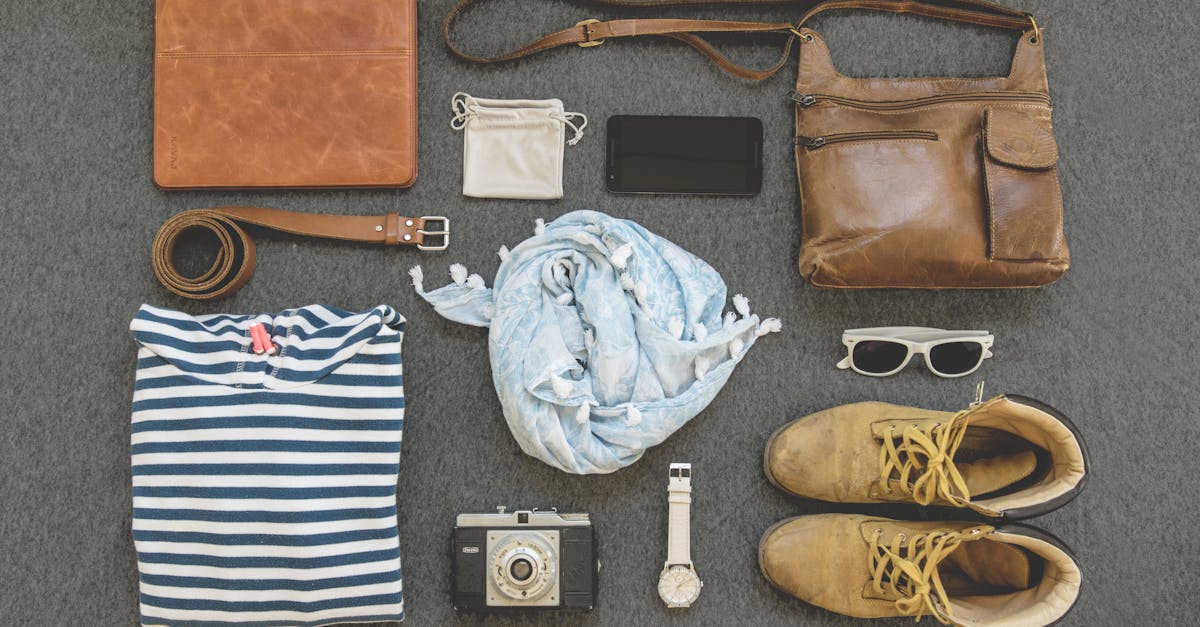
The Role of Technology in Enhancing Eco-Conscious Fashion Manufacturing
As our planet grapples with environmental challenges, the nexus between fashion and technology emerges as a beacon of hope. Innovative tools and techniques revolutionize the way we perceive eco-conscious manufacturing. For instance, 3D printing and digital textile printing offer avenues for waste reduction, enabling brands to create unique pieces without excess. Additionally, blockchain technology ensures transparency, allowing consumers to trace the origins of their fashion choices. This not only fosters a sense of responsibility but also strengthens the bond between consumers and their fashion journey.

From Fast Fashion to Slow Fashion: Cultural Impacts and Implications
The transition from fashion to slow fashion resonates deeply with our cultural consciousness. This shift encourages mindfulness, prompting us to cherish the stories woven into each garment. The implications ripple beyond mere aesthetics, shaping our values. As we embrace slow fashion, we challenge consumerism’s grip and advocate for sustainability. This journey invites us to reflect: Can we redefine our identity through what we wear and how it affects the world around us?
“The beauty of clothing lies not just in its form but in its impact.” – Unknown
Key Cultural Changes
| Fast Fashion | Slow Fashion |
|---|---|
| Mass-produced | Handcrafted |
| Trendy | Timeless |
| Disposable | Sustainable |
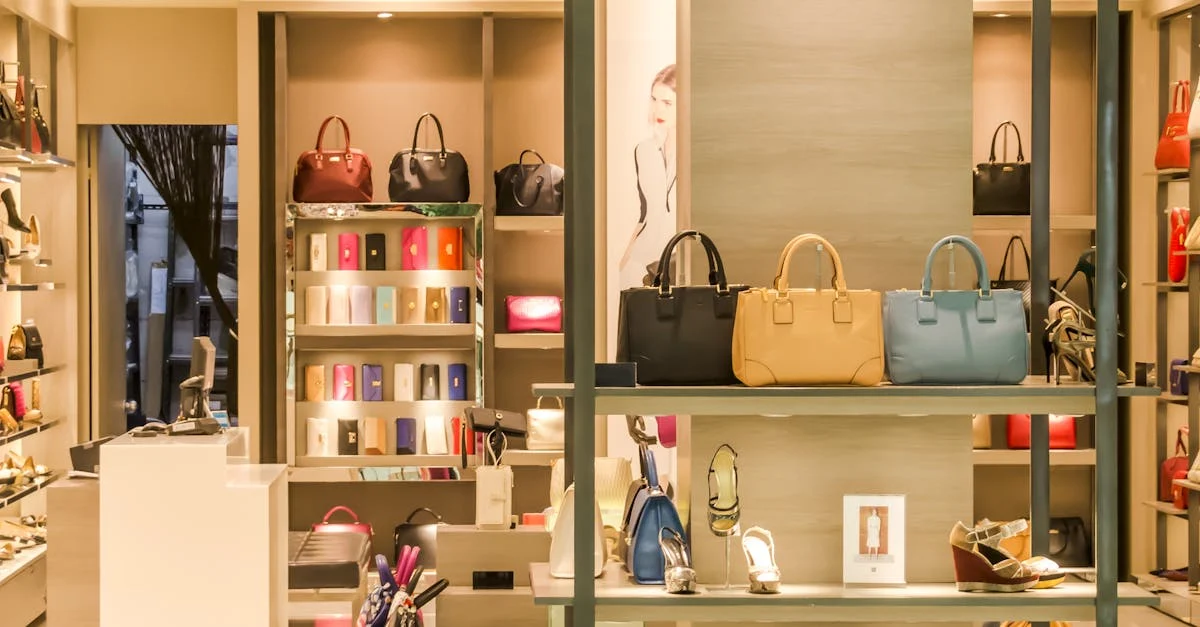
The Future of Fashion: Policies and Regulations Driving Sustainability
The landscape of fashion is evolving rapidly, shaped by new policies and regulations aimed at fostering sustainability. As we navigate this transformative era, it’s crucial to embrace practices that not only benefit the environment but also redefine consumer values. Governments and organizations worldwide are championing initiatives that prioritize eco-friendly materials and ethical labor practices. This shift might seem daunting, yet it opens a realm of possibilities. Here are some key drivers of change:
- Eco-certifications: Brands are increasingly obtaining certifications that demonstrate their commitment to sustainable practices.
- Waste reduction: Regulations mandating reduced waste in production processes encourage innovation.
- Transparency mandates: Consumers demand clarity on sourcing and production, pushing brands toward honest practices.
By understanding these regulations, we can all play a part in steering the fashion industry toward a brighter, more sustainable future.
You Can Also Review These:
The State of Sustainable Fashion in 2025
Conclusion
As we look ahead to 2025, it’s clear that the fashion industry is on the cusp of a significant transformation. Embracing sustainable styles means not just making eco-friendly choices but also fostering a deeper connection with our clothing. Fashion is no longer just about trends; it’s about values, meaning, and responsibility. By prioritizing sustainability, we give ourselves the opportunity to enjoy beautiful designs while respecting our planet. Many brands and consumers are already making strides in this direction, proving that conscious choices can lead to chic and environmentally friendly wardrobes. Let’s keep pushing forward together, nurturing a future where fashion harmoniously coexists with the Earth. Embracing these sustainable styles will transform not only our wardrobes but also our way of thinking about fashion itself.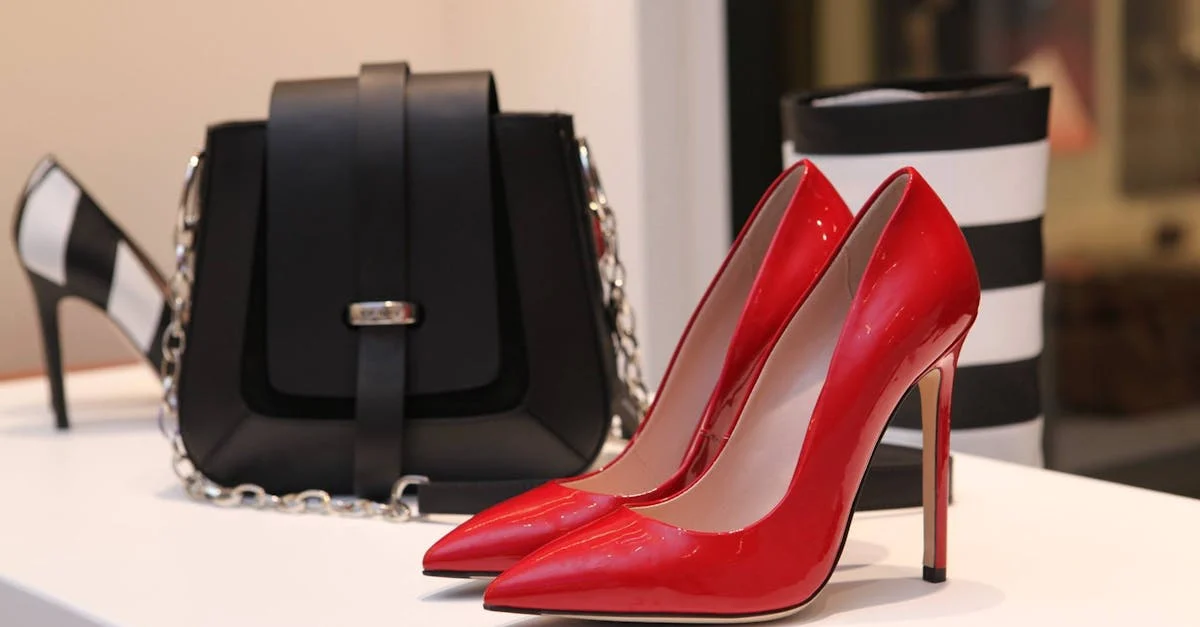
Frequently Asked Questions
What are the current fashion trends?
Current fashion trends often include oversized silhouettes, vibrant colors, and sustainable materials. Additionally, athleisure and vintage styles remain popular.
How can I develop my personal style?
To develop your personal style, start by exploring different fashion genres, experimenting with various outfits, and identifying what makes you feel confident and comfortable.
What should I wear for a formal event?
For a formal event, consider wearing a tailored suit or an elegant dress. Accessories such as a statement necklace or a classy watch can enhance your look.
How do I take care of my clothes?
To care for your clothes, follow the washing instructions on the labels, store them properly, and consider dry cleaning delicate fabrics to maintain their quality.
Is it necessary to follow fashion trends?
It is not necessary to follow fashion trends; personal style is more important. Wear what feels good to you, regardless of current trends.
