

As we move further into the 21st century, the roads are seeing a remarkable transformation thanks to the rise of electric cars. These vehicles are not just a trend; they’re reshaping how we think about driving, sustainability, and our environment. With their quiet performance and lower emissions, electric cars offer a refreshing alternative to traditional gas vehicles. The excitement around this technology brings up questions about their impact on daily life, our cities, and the way we envision transportation in the future. So, let’s take a closer look at how electric cars are changing our roads and what that means for us all!
Main Points
The shift towards electric cars signifies significant changes in various aspects of driving. First, the benefits of electric cars are manifold, ranging from cost savings on fuel to reduced carbon footprints. Additionally, the growing network of electric cars charging stations makes it easier than ever to own an electric vehicle. When comparing electric cars vs gas cars, it becomes clear that the former is charting a new course for efficiency and innovation. With numerous electric cars reviews highlighting their performance and practicality, especially for families, many are now considering this option. Furthermore, understanding electric cars maintenance tips can help potential buyers feel more confident in their decisions. Lastly, exploring the future trends in electric vehicles shows us that this shift is just beginning, and the road ahead holds even more exciting possibilities!

The Rise of Electric Vehicles: A Comprehensive Overview
The world is witnessing an exciting shift with the rise of Electric Cars. These vehicles not only reduce our carbon footprint but also offer a smooth driving experience. You might wonder about their benefits compared to traditional gasoline cars. Let’s explore this together. Did you know that charging stations for Electric Cars are popping up everywhere? This makes owning an electric vehicle much more convenient these days. Here are some key points to consider:
- Electric Cars benefits: Lower operating costs and less maintenance.
- Charging Stations: Find them in cities and along highways, making long drives easier.
- Electric Cars vs gas cars: They often outperform in torque and provide a quieter experience.
All in all, the future looks bright for Electric Cars as technology improves and awareness grows. Are you ready to embrace this change?
Related content:
The Flaky Delight: Mastering the Perfect Gipfeli Recipe at Home

Environmental Impact: How Electric Cars Contribute to Sustainable Mobility
When we talk about Electric Cars, it’s hard not to appreciate their role in green transport. They help reduce carbon emissions, which is quite a big deal, right? Still, some people find it confusing how they manage to do this so effectively. Additionally, Electric Cars often have lower operating costs, making them not just eco-friendly but also wallet-friendly. Families can also benefit significantly from Electric Cars for families, given their spacious interiors and safety features. In short, they are a step towards a cleaner future!

Technological Innovations Driving the Electric Vehicle Revolution
As we delve into the world of Electric Cars, it’s hard not to notice the rapid advancements shaping their future. Innovation is buzzing, especially with battery technology improving, allowing longer ranges and quicker charging. Additionally, software developments are enhancing the driving experience, thus making each ride smoother. Moreover, the quest for sustainable materials is gaining momentum, which is crucial for the environmental impact of Electric Cars. All these changes signal exciting trends ahead for the industry!
Infrastructure Challenges: Building the Charging Network of the Future
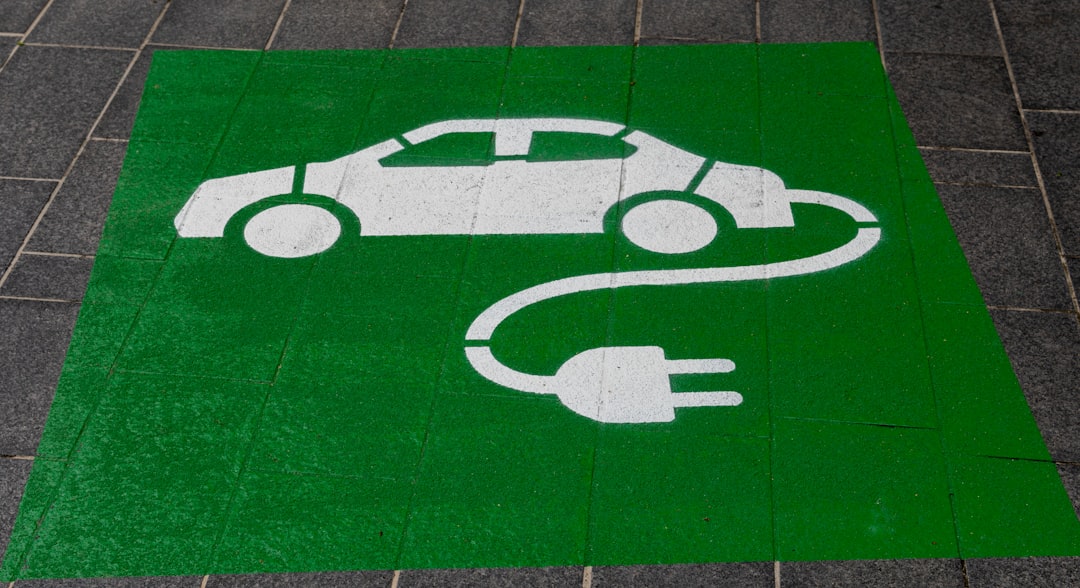
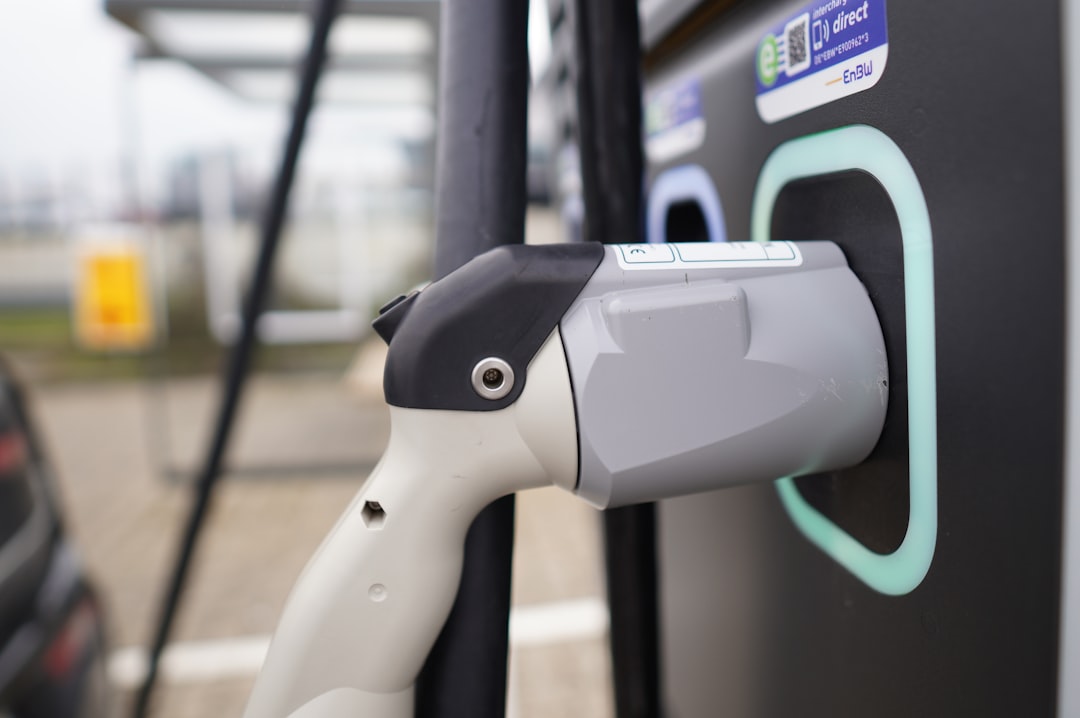
As we embrace the rise of Electric Cars, a robust charging network becomes essential. Yet, the process is not as simple as one might think. Cities must grapple with limited space and diverse needs, ensuring that charging stations are accessible and efficient. However, many locations still lack adequate facilities, leading to confusion among users. To tackle this, we can focus on:
- Strategic Planning: Addressing placement in urban and rural areas.
- User-Friendly Design: Making stations easy to spot and use.
- Innovative Technology: Implementing fast-charging solutions for all types of Electric Cars.
If we aim for a seamless transition to electric vehicles, these challenges must be overcome with determination and creativity.
Economic Implications: The Shift from Fossil Fuels to Electric Power
As we witness a growing trend toward Electric Cars, the economic landscape is set for a significant transformation. This shift not only impacts our environment positively but also reshapes job markets and energy sectors. Traditional industries face challenges, while new opportunities arise in the realm of Electric Cars. Consumers are becoming more aware of their choices, prompting a ripple effect in spending patterns. In this evolving scenario, companies must adapt and innovate to keep pace with the demands of a greener future.
Consumer Perception and Adoption: Understanding the Market Dynamics
When we talk about Electric Cars, it’s fascinating to see how consumer perception shapes their adoption. Many people are intrigued by the idea of going green, yet some remain hesitant due to concerns about charging infrastructure or range anxiety. This makes it all the more essential to explore how these factors influence buying decisions. After all, understanding what drives customer attitudes can provide valuable insights into market trends.
“The adoption of Electric Cars hinges significantly on consumer beliefs and experiences.”
Market Influencers
Talking about influences, social media plays a huge role in shaping opinions. Reviews, testimonials, and even celebrity endorsements can sway potential buyers. Hence, it’s crucial for manufacturers to address these perceptions, as they directly impact the market’s dynamics.
| Factors | Impact on Adoption |
|---|---|
| Charging Accessibility | High |
| Cost of Ownership | Medium |
| Brand Reputation | High |
In conclusion, consumer perceptions wield considerable power in guiding the future of Electric Cars. Thus, engaging with potential buyers can pave the way toward broader acceptance and understanding in the evolving market.
The Future Landscape: What Lies Ahead for Electric Vehicles and Smart Cities
As we look into the future, the intersection of Electric Cars and smart cities presents exciting possibilities. Imagine a world where your Electric Cars seamlessly connect with city infrastructure, optimizing traffic flow and reducing congestion. This collaboration will not only enhance urban living but also contribute to sustainability. Here are some key developments to watch:
- Smart Charging Stations: Conveniently located and networked charging points for your Electric Cars.
- Integrated Public Transport: Coordinated schedules between electric vehicles and public transport systems.
- Renewable Energy Sources: Powering cities and vehicles with clean energy for a greener future.
This synergy between technology and urban planning truly signifies an innovative shift. Let’s embrace the journey ahead!
You Can Also Review These:
The Future of Electric Vehicles: 7 Factors Driving EV Growth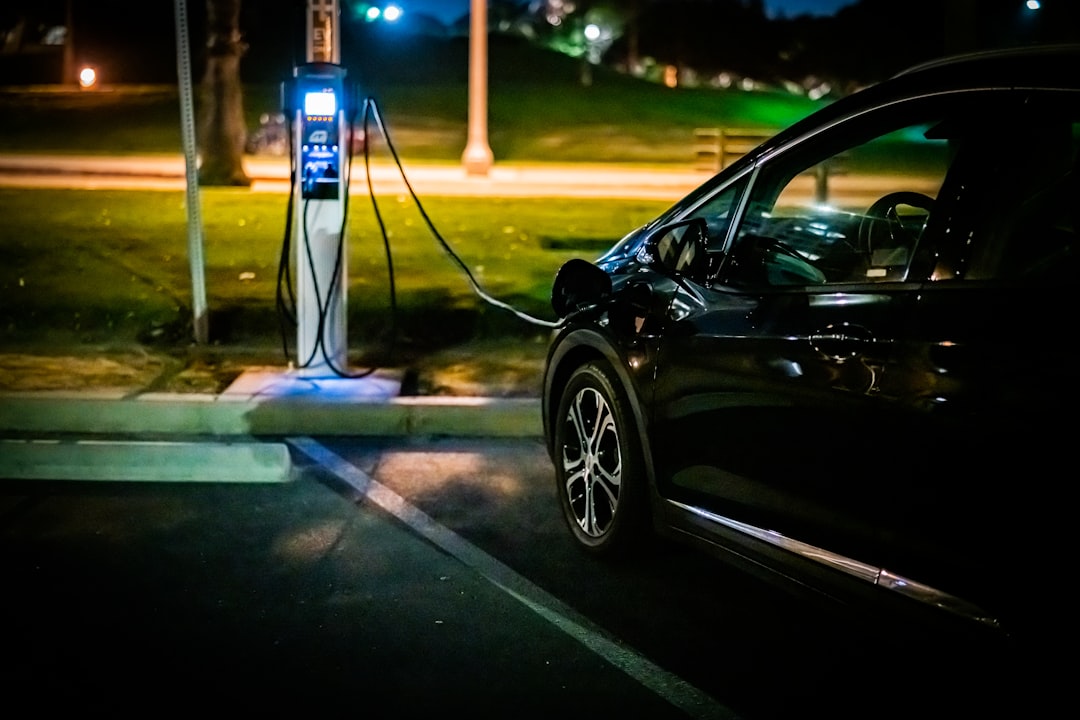
Conclusion
The world of driving is undeniably changing, and electric cars are at the forefront of this transformation. Embracing these vehicles means embracing a cleaner, more sustainable future for our roads. As we navigate through this shift, we notice not only the reduction in emissions but also the innovative technologies that enhance our driving experiences. The growing infrastructure for electric vehicles makes it easier for everyone to join this revolution. I believe that as more individuals choose electric cars, we will witness a ripple effect, leading to healthier communities and improved air quality. This journey is not just about changing our vehicles; it’s about reimagining our relationship with transportation. In essence, electric cars are paving the way for a brighter, more sustainable future on our roads.
Frequently Asked Questions
What are the benefits of electric cars?
Electric cars offer several benefits including lower emissions, reduced fuel costs, less maintenance, and a quieter driving experience.
How long does it take to charge an electric car?
Charging time depends on the charging station and the car’s battery capacity. It can take anywhere from 30 minutes at a fast charger to several hours at a standard outlet.
Are electric cars more expensive than traditional cars?
While the initial purchase price of electric cars can be higher, they often save money in the long run due to lower fuel and maintenance costs, plus many governments offer incentives for electric vehicle purchases.
What is the range of an electric car?
The range of electric cars varies by model and battery size, typically between 100 to 400 miles on a full charge, with some high-performance models exceeding this.
How do electric cars perform in cold weather?
Electric car performance can be affected by cold weather, which may reduce battery range. However, many manufacturers are improving their batteries and vehicle systems to operate efficiently in low temperatures.
