

Have you ever found yourself caught in a yawn, wondering why we yawn at all? It’s a natural instinct, yet the reasons behind it remain shrouded in mystery. Scientists have explored various theories, and there’s still much to discover about this simple but intriguing act. Why do we yawn? Is it just a sign of tiredness, or is there more to it than meets the eye? Join me as we dive into the fascinating world of yawning and unveil the secrets that lie within.
Main Points
- Understanding the physiological reasons behind yawning.
- The connection between yawning and emotional states.
- Yawning as a social phenomenon among individuals.
- The impact of yawning on brain temperature regulation.

The Evolutionary Significance of Yawning: Why Do We Yawn?
Yawning, a seemingly simple act, is intertwined with profound evolutionary implications. But why do we yawn? It serves various purposes. First, yawning enhances oxygen intake, potentially revitalizing our brains. Second, it fosters social bonding; contagious yawns may strengthen group cohesion. Why do we mimic one another’s yawns? Perhaps it’s our subconscious way of connecting. Lastly, it might regulate our body temperature, keeping us alert. These intricacies reveal that yawning is more than just a reflex; it’s a complex behavior etched in our evolutionary journey.

Physiological Functions of Yawning: More Than Just a Sign of Tiredness
Yawning, often dismissed as a mere sign of fatigue, serves several intricate physiological functions. It not only increases oxygen intake but also helps to cool the brain. This curious act is intertwined with our neurological responses; when we yawn, neurotransmitters dance within our minds, creating a symphony of alertness.
Interestingly, the question remains: why do we yawn in groups? It appears that yawning may foster social bonding, a peculiar yet profound concept. Also, the phenomenon might indicate a readiness for change. So next time you feel the urge to yawn, ponder:
Why does this instinctual response hold such importance?
Contemplating these nuances reveals yawning as a fascinating enigma, much richer than it seems at first glance.
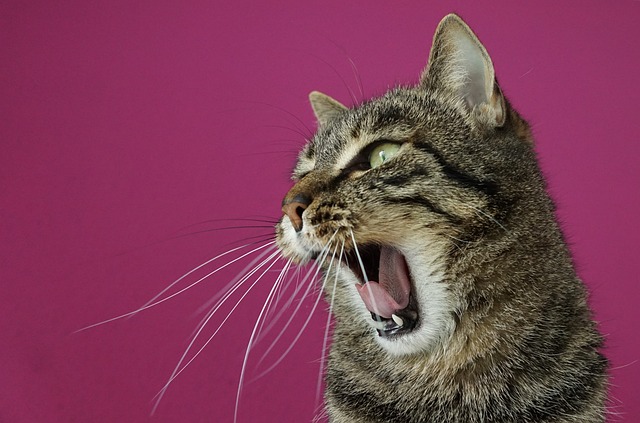
Yawning and Social Bonding: Exploring the Psychological Aspects
Yawning, often dismissed as just a reflex, holds intriguing implications in social bonding. When we yawn, especially in the presence of others, it’s not mere fatigue but a silent call to connect. Why do we feel compelled to yawn contagiously? This phenomenon hints at a deeper psychological thread woven into our interactions. Perhaps, it’s a way of synchronizing our emotional states, fostering empathy within our social circles. This leads us to ask, why does sharing such a simple act deepen relationships? Ultimately, the answers remain as layered as our very need for connection.

The Role of Yawning in Regulation of Brain Temperature: A Scientific Exploration
Yawning is more than just a sign of boredom; it plays a pivotal role in regulating brain temperature. Surprisingly, this act may serve as a natural cooling mechanism. When we yawn, our jaw moves, increasing blood flow and promoting airflow, which leads to a refreshing release of heat. This intriguing process raises the question: why do we yawn more when tired? It appears our brain seeks an optimal operating temperature to enhance cognitive functions.
Key Factors in Yawning’s Cooling Effect
- Why does blood flow increase?
- The jaw movement during yawning activates more blood vessels.
- Why does yawning occur in groups?
- Contagious yawning may help synchronize the temperature regulation among peers.
- Why is this important for brain function?
- Maintaining a cooler brain temperature enhances decision-making and creativity.
In essence, yawning might just be the brain’s subtle plea for a cooler cognitive space. Isn’t it fascinating how something so simple has such profound implications?
Yawning Across Species: What Animals Can Teach Us About This Universal Behaviour
Yawning is a curious act shared by many species. But why do animals yawn? Some scientists suggest it’s a way to regulate brain temperature. Interestingly, yawning can also signal social bonding. For instance, dogs often yawn when their owners do, hinting at empathy. Why does it happen during moments of boredom or fatigue? Perhaps it’s a primal call to attention. So, why this fascinating behavior? It’s an invitation to explore the complex connections we share with our fellow creatures, revealing more than just a quirky reflex.
Debunking Common Myths About Yawning: Separating Fact from Fiction
Yawning often evokes misconceptions. Many believe it signals boredom or lack of sleep, but it’s more complex. Some studies suggest it regulates brain temperature, acting as a form of cooling. Others connect yawning with empathy—unearthing social bonds. Curious, isn’t it? Are we yawning to understand others better? In fact, various cultures interpret yawning differently, highlighting its multifaceted nature. Yet, the fundamental question remains: why do we yawn? Is it merely biological or deeply rooted in our social interactions?
“The act of yawning is not just a reflex; it’s a rich tapestry of social and physiological threads.”
Conclusion
In conclusion, exploring the reasons behind why do we yawn offers intriguing insights into both our physiology and psychology. Yawning is not merely a sign of fatigue; it can also signify empathy or social bonding in various contexts. Understanding its functions helps us appreciate our body’s signals and how they connect to our emotions and social interactions. While some aspects of yawning remain shrouded in mystery, ongoing research continues to uncover the complexities behind this simple yet universal behavior. Thus, we find ourselves drawn to the enigmatic nature of yawning, reminding us of the intricate relationship between our minds and bodies.
Frequently Asked Questions
Why do we yawn?
Yawning is often thought to be a way to increase oxygen intake and help cool the brain, though its exact purpose is still not completely understood.
Is yawning contagious?
Yes, yawning can be contagious. Seeing or hearing someone yawn can trigger yawning in others, possibly due to empathy or social bonding.
Do animals yawn too?
Yes, many animals yawn, including dogs, cats, and even some reptiles. Yawning serves similar functions across different species.
Can yawning indicate boredom?
While yawning is often associated with boredom, it can also be a response to fatigue, stress, or a transition between sleep and wakefulness.
Is excessive yawning a medical concern?
Excessive yawning can sometimes indicate an underlying health issue, such as sleep disorders or anxiety. If it becomes a frequent problem, consulting a healthcare professional is recommended.
