

Have you ever wondered what makes your furry companion tick? Understanding your dog’s unique personality can unlock a world of joy and connection. Each dog has its own set of quirks and traits, influenced by breed, upbringing, and even individual experiences. By diving into the depths of your pet’s character, you can enhance your bond and provide the perfect environment for growth. Whether you’re seeking effective dog training tips or simply want to know more about their behavior, this journey of discovery is both exciting and fulfilling.
Main Points
This article explores key aspects of understanding your dog’s personality. We will discuss various breeds and their innate traits, which can help you anticipate behaviors and needs. Additionally, we’ll touch upon effective dog training tips that cater to specific personalities, ensuring a harmonious relationship. Dog grooming services and health care will also be highlighted, emphasizing the importance of a healthy and happy pet. Finally, we’ll delve into behavior solutions, guiding you in nurturing your dog’s distinct character while addressing any challenges that may arise.
Related content:
The Flaky Delight: Mastering the Perfect Gipfeli Recipe at Home

Decoding Canine Behavior: Key Traits of Different Breeds
Understanding our furry companions can be a delightful yet puzzling journey. Each dog breed boasts unique traits that shape their temperament and behavior. For instance, terriers are known for their energetic spirit, always ready for action, while retrievers exude warmth and sociability, thriving on companionship. Yet, isn’t it fascinating how some breeds blend these traits? The intricacies of their character can often leave even the most seasoned owner scratching their heads.
- Dog Training Tips: Consistency is key; reinforce positive behavior regularly.
- Best Dog Food: Tailor your dog’s diet to their breed and lifestyle for optimal health.
- Dog Grooming Services: Regular grooming not only keeps your dog looking great but also enhances their mood.
As you explore the behavior of various breeds, remember that love and patience play significant roles in understanding your dog better. With a little effort, the bond between you and your furry friend can flourish beautifully.
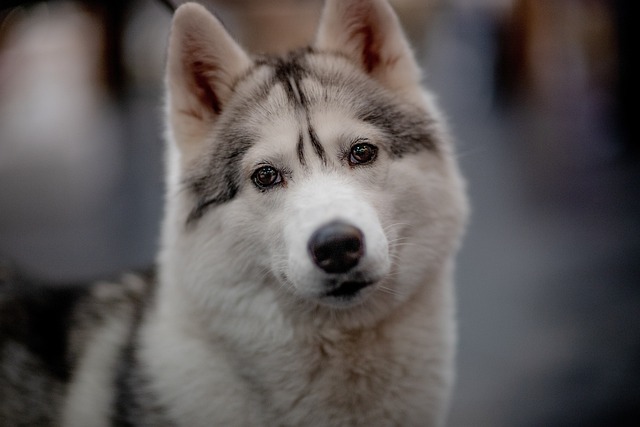
The Role of Environment in Shaping Your Dog’s Personality
The environment in which your dog grows immensely impacts its personality. A nurturing space fosters confidence and sociability, while a chaotic home may breed anxiety. For instance, regular exposure to various dog breeds and interactions shapes adaptability. Additionally, engaging dog walking services in diverse settings can introduce your pet to new experiences, influencing behavior positively. Thus, understanding your pet’s surroundings can bring harmony and affection into your shared life.

Identifying Temperament: Tools and Techniques for Assessing Your Dog
Understanding your dog’s personality requires a blend of observation and intuition. You might start with simple tools like a temperament assessment questionnaire. Notably, watch for their reactions during playtime or when meeting other animals. Some breeds exhibit cautiousness while others thrive on interaction. Utilizing these dog behavior solutions helps to discern whether your dog is more adventurous or reserved. Engaging in training sessions can also reveal hidden traits, aiding you in nurturing their unique character and ensuring a harmonious relationship with your dog.
Practical Techniques to Implement
Incorporate playful sociability tests and quiet moments for evaluation. Keeping a journal of behaviors can highlight patterns that inform your understanding. Remember, patience is key; your dog may surprise you with their adaptability. Embrace their quirks, and you’ll build a bond based on respect and love.
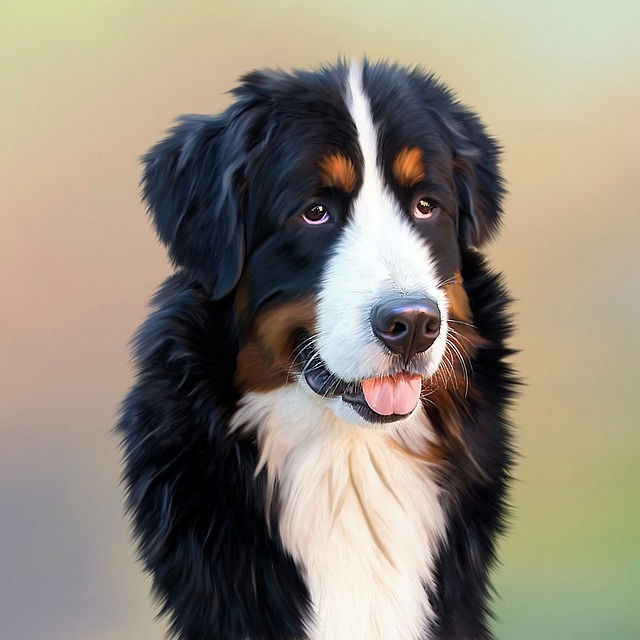
Nurturing Your Dog’s Individuality: Tips for Tailored Training Approaches
Every dog has a unique personality that deserves a personalized touch in training. Tailoring your approach can significantly enhance your connection and effectiveness. To nurture your furry friend’s individuality, consider these tips:
- Observe: Pay attention to their reactions and moods; this helps you tailor your methods accordingly.
- Reward: Find what excites them—treats, praise, or play—and use it to reinforce good behavior.
- Adjust: Be flexible! If a technique isn’t working, don’t hesitate to switch things up to meet their needs.
Training should be a joyful journey, reflecting your dog‘s spirit while building a bond that lasts a lifetime.

Building a Bond: Understanding the Human-Dog Relationship and Its Impact on Personality
Every wag of a tail whispers stories of trust and affection. The dog and human bond shapes personalities in unexpected ways. Have you ever noticed how a playful dog can instantly lift your spirits? That connection often encourages compassion and patience, fostering deeper emotional intelligence. Yet, it’s not just about companionship; owning a dog can also reflect one’s character traits. So, as we embrace these four-legged friends, we uncover layers of ourselves, often hidden beneath the surface.
You Can Also Review These:
Unleashing the Secrets: Understanding Different Pet Personalities …
Conclusion
Understanding your dog’s unique personality transforms your relationship into something truly special. Each dog comes with its own set of quirks and behaviors that reflect their individuality. By taking the time to observe and appreciate these traits, you create a deeper bond built on mutual respect and love. Recognizing their unique preferences and reactions helps in tailoring your interactions, making every moment more enjoyable for both you and your furry friend. As you explore these intricacies, remember that understanding your dog isn’t just about training or discipline; it’s about embracing who they are at their core. Your journey into your dog’s personality will undoubtedly enrich not only their life but yours as well. Ultimately, fostering this understanding leads to a happier, healthier dog, and a more fulfilling companionship.
Frequently Asked Questions
What is the best breed of dog for families?
The best breed of dog for families can vary, but popular choices include Labrador Retrievers, Golden Retrievers, and Beagles due to their friendly nature and compatibility with children.
How often do I need to take my dog to the vet?
Typically, dogs should visit the vet at least once a year for a routine check-up. Puppies and older dogs may require more frequent visits.
What should I feed my dog?
You should feed your dog a balanced diet suitable for their age, size, and health needs. Consult with your vet for specific recommendations on dog food.
How can I train my dog effectively?
Effective dog training involves consistency, positive reinforcement, and patience. Start with basic commands and gradually increase difficulty while keeping training sessions short and engaging.
How much exercise does my dog need?
Most dogs need at least 30 minutes to 2 hours of exercise each day, depending on their age, breed, and energy level. Regular walks, playtime, and mental stimulation are important.
