

In today’s fast-paced world, the role of sport coaching extends beyond mere athletic development. It offers a unique opportunity for personal growth, instilling discipline, resilience, and teamwork in athletes. Many people overlook the profound impact that effective coaching has on an athlete’s life, shaping not just their performance on the field but also their character off of it. Through dedicated mentorship, coaches help athletes unlock their full potential, guiding them through the challenges they face both in sports and in life. With the right guidance, athletes can transform not just their skills but also their entire outlook, paving the way for success in various aspects of their lives. This journey is what makes sport coaching truly transformative.
Main Points
- The role of sport coaching in personal growth.
- How coaches instill valuable life skills in athletes.
- The impact of effective mentoring on performance and character.
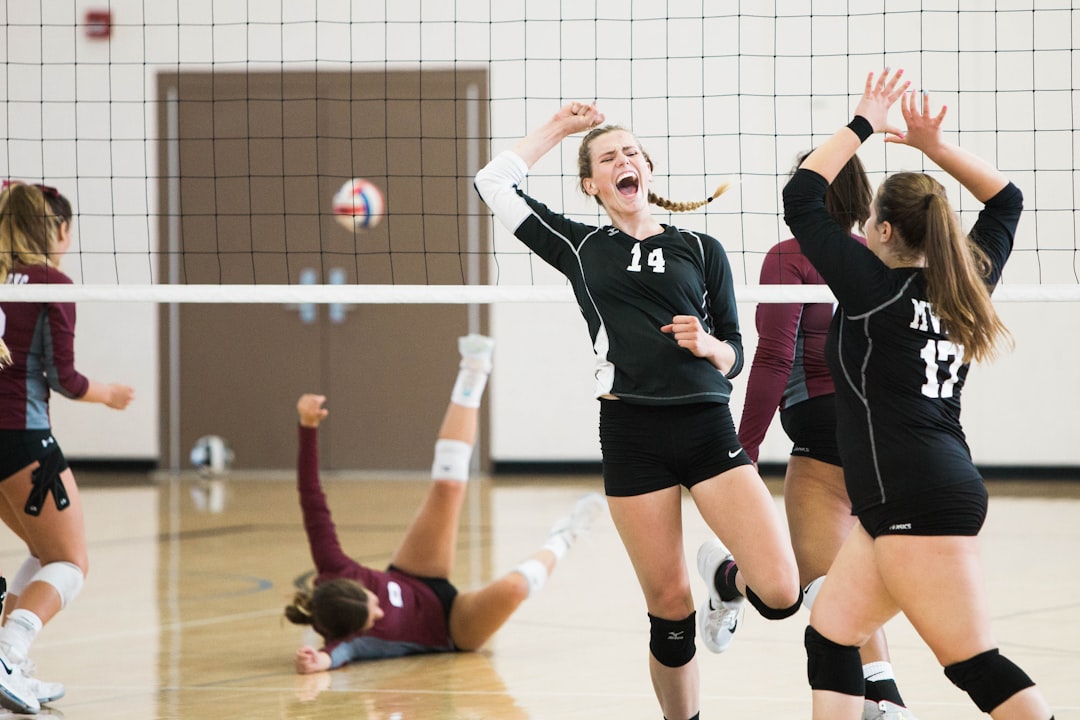
The Role of Sport Coaching in Personal Development: Beyond Athletic Skills
Sport coaching transcends the mere development of athletic abilities. Many individuals often overlook the profound impact that coaching can have on personal growth. Through structured guidance, a coach fosters essential life skills that resonate far beyond the playing field. This nurturing environment encourages athletes to cultivate attributes that influence various aspects of life.
Coaches play a pivotal role in shaping resilience, discipline, and teamwork. These qualities empower individuals to tackle challenges effectively. To illustrate this point, consider the following aspects of personal development:
- Resilience: The ability to recover from setbacks strengthens mental fortitude.
- Discipline: Consistent practice fosters self-control and time management skills.
- Teamwork: Collaborating with others enhances interpersonal relationships and communication.
Moreover, the lessons learned through sport extend to professional environments, enhancing leadership skills and decision-making. Coaching, therefore, equips individuals with tools that aid in their pursuit of success across various life domains. Overall, the journey of personal development through sport coaching is an enriching experience, illustrating how the influence of a coach can facilitate profound transformation.
Related content:
Embracing Imperfection: Life Lessons from Our Flaws and Failures
How Sport Coaching Facilitates Mental Resilience in Athletes
Sport coaching plays a crucial role in developing mental resilience among athletes. Coaches implement various strategies that help athletes face challenges head-on. One significant aspect is the ability to manage stress and pressure during competitions. This adaptability is essential for performing under duress. In addition, coaches often encourage a growth mindset, allowing athletes to view setbacks as opportunities for improvement. Rather than shying away from failure, athletes learn to embrace it, fostering a sense of perseverance.
Moreover, regular feedback from coaches helps to build confidence. By pinpointing strengths and areas for growth, coaches guide athletes through self-discovery. They cultivate an environment where athletes feel supported. This support system is vital when facing adversities, ensuring that the journey includes both highs and lows. Ultimately, through tailored coaching approaches, athletes not only achieve their sport goals but also develop traits that enhance personal growth.
| Coaching Techniques | Benefits |
|---|---|
| Positive Reinforcement | Boosts confidence |
| Mental Training | Enhances focus |
| Goal Setting | Improves motivation |
In conclusion, effective sport coaching equips athletes with vital skills that transcend the field, instilling resilience that lasts a lifetime.

Transformational Leadership in Sport Coaching: Inspiring the Next Generation
Transformational leadership in sport coaching is a pivotal approach that empowers coaches to inspire athletes to reach their full potential. This style emphasizes vision and motivation, enabling coaches to be more than just instructors; they become mentors guiding their teams through both triumphs and setbacks. Coaches who adopt this leadership style cultivate a culture of trust and respect, which is crucial for fostering team cohesion.
Moreover, a transformational coach often focuses on individual athlete development, tailoring strategies to meet their unique needs. This personalized attention can enhance not only athletic performance but also personal growth. Athletes are encouraged to take initiative and embrace challenges, resulting in a profound transformation that positively impacts their overall journey in sport. However, navigating these dynamics can sometimes be complex, as balancing rigor with understanding requires keen emotional intelligence. Ultimately, transformational leadership shapes not just better athletes but also well-rounded individuals ready to face life’s challenges beyond the sport arena.
The Impact of Goal Setting in Sport Coaching: Fueling Athlete Motivation
Goal setting in sport coaching plays a pivotal role in athlete motivation. It provides a clear direction and sparks a sense of purpose. Coaches who effectively collaborate with athletes to establish specific, measurable, achievable, relevant, and time-bound (SMART) goals often witness enhanced performance and dedication. The impact of this strategy revolves around several key areas:
- Clarity: Defining precise goals helps athletes understand what is expected of them.
- Focus: Goals encourage athletes to concentrate their efforts on essential tasks, minimizing distractions.
- Progress Tracking: Regularly reviewing goals allows athletes to monitor their development and adjust strategies accordingly.
While the influence of goal setting can be profound, it can also lead to pressure or anxiety, if not approached thoughtfully. Coaches must be aware of each athlete’s individual temperament and tailor the goal-setting process to suit their unique psychological needs. Balancing challenge and achievability remains crucial to fostering a positive environment.
In summary, goal setting in sport coaching not only fuels motivation but also builds a framework for success. By fostering an understanding of personal and team objectives, coaches can empower athletes to reach their fullest potential within the competitive landscape of sport.
Building Team Dynamics: The Social Benefits of Sport Coaching
Engaging in sport coaching offers numerous social advantages that extend well beyond the playing field. Firstly, it cultivates effective communication skills among team members. Coaches encourage open dialogue, allowing athletes to express their thoughts and concerns freely. This fosters a sense of trust, which is particularly vital in enhancing team dynamics. Additionally, the shared goal of improving performance unites individuals, creating bonds that often transform into lasting friendships.
Moreover, the experience cultivates resilience. Athletes learn to navigate both victories and defeats, embracing challenges as opportunities for growth. Such experiences are pivotal in teaching teamwork, as they highlight the importance of collaboration. Interestingly, while competition can sometimes create tension, it can also serve as a catalyst for unity. When teams rally together to face external challenges, they typically emerge stronger and more cohesive. Ultimately, the social benefits of sport coaching extend into all areas of life, enriching personal relationships and enhancing community connections.
Harnessing Emotional Intelligence: The Key to Effective Sport Coaching
Emotional intelligence plays an essential role in effective sport coaching. Coaches with high emotional intelligence can understand their athletes’ feelings, fostering a positive environment that enhances performance. Recognizing emotions allows coaches to tailor their communication styles, adapting to individual athletes’ needs. This adaptability is crucial because every athlete experiences stress and pressure differently.
The ability to empathize strengthens the coach-athlete relationship. Coaches who exhibit genuine concern can motivate their athletes to push beyond their limits. They create an atmosphere where athletes feel safe to express their fears or frustrations. In this safe space, athletes are more likely to take risks and explore their potential.
“The coach’s understanding of emotional dynamics can be a game-changer in any sport.”
While strategies and techniques are important, without emotional intelligence, coaching can feel mechanical. Therefore, integrating emotional awareness into coaching not only improves performance but also cultivates a loyal team culture in every sport.
Creating a Positive Mindset: The Psychological Edge Provided by Coaches
Developing a positive mindset is essential for athletes striving for success in sport. Coaches play a pivotal role in nurturing this mindset, providing support, motivation, and expertise. A strong belief in oneself often leads to better performances and resilience during challenging moments.
However, the influence of a coach goes beyond mere technical training. It encompasses fostering a mental environment conducive to growth. Here are several ways coaches can help build a positive mindset:
- Encouragement: Coaches should consistently affirm their athletes’ efforts, which boosts self-confidence and reduces anxiety.
- Goal Setting: Establishing clear, achievable goals ensures that athletes stay focused and motivated throughout their journey.
- Feedback: Constructive feedback helps athletes recognize their strengths and areas for improvement, leading to enhanced performance.
In summary, the psychological edge provided by coaches is crucial in cultivating a positive mindset. By actively participating in their athletes’ mental development, they contribute significantly to their success in sport.
The Importance of Feedback and Communication in Sport Coaching Relationships
Effective communication and constructive feedback play pivotal roles in the development of strong relationships between coaches and athletes in the realm of Sport. Without open dialogue, misunderstandings can easily arise. Athletes may feel lost or unappreciated, leading to decreased performance. It is essential for coaches to not only deliver critiques but also listen actively to their athletes’ concerns.
Moreover, positive feedback fosters an encouraging environment, enhancing motivation and trust. Coaches should aim to create a safe space for athletes to voice their thoughts. This dynamic can be observed both during practices and in competitive situations.
In conclusion, successful coaching in Sport hinges on effective communication. It facilitates one’s growth and improves team coherence. Remember, a coach’s role is not just to instruct, but also to inspire. Hence, maintaining a balance between encouragement and constructive criticism is crucial for success in the world of Sport.
Long-term Benefits of Sport Coaching: Lifelong Skills and Values for Athletes
Participating in sports is not just about winning trophies; it’s a profound journey that fosters valuable life skills. When athletes engage in sports coaching, they learn essential teamwork attributes, such as communication and collaboration. These skills transcend the field, helping individuals navigate personal and professional relationships. Moreover, sport coaching instills discipline and time management, critical for success in all aspects of life.
However, the advantages extend beyond skills alone. Coaches often impart core values like resilience and perseverance. Athletes frequently face challenges, yet the lessons learned through sport engagements teach them to bounce back from failures. This resilience can be pivotal in overcoming life’s adversities. Additionally, the sense of belonging within a team nurtures confidence and self-esteem. In essence, the benefits of sport coaching provide athletes with a robust foundation for lifelong success, enabling them to tackle future challenges with tenacity and grace.
Conclusion
In conclusion, the journey through sport coaching reveals the profound impact it can have on both individuals and teams. Coaches not only shape athletic skills but also foster personal growth and resilience. As we navigate the complexities of sport, we find that the lessons learned transcend the playing field, enriching our lives in unexpected ways. This unique relationship between coach and athlete creates a foundation for success, building confidence and camaraderie. Ultimately, effective sport coaching serves as a catalyst for transformation, encouraging everyone involved to strive for excellence while enjoying the process.
Frequently Asked Questions
What is sports coaching?
Sports coaching is the process of training, instructing, and guiding athletes to improve their skills, performance, and overall understanding of the sport.
What qualifications do I need to become a sports coach?
Qualifications can vary, but many coaches have certifications from recognized sports organizations, experience in the sport they coach, and sometimes a degree in sports science or physical education.
How can a coach help an athlete improve?
A coach can help an athlete improve by providing personalized training plans, giving constructive feedback, teaching technique, improving mental toughness, and helping set and achieve goals.
What are the key qualities of a good sports coach?
Key qualities include strong communication skills, empathy, leadership, patience, knowledge of the sport, and the ability to motivate and inspire athletes.
How should a coach handle conflicts within a team?
A coach should address conflicts directly and fairly, encourage open communication, mediate discussions, and focus on team unity and the common goal.
What role does psychology play in sports coaching?
Psychology plays a significant role in sports coaching as it helps coaches understand and improve the mental aspects of performance, such as motivation, focus, confidence, and stress management.
How do coaches assess athlete performance?
Coaches assess athlete performance through observation during practices and competitions, statistical analysis, video review, and feedback from the athletes themselves.
What is the importance of setting goals in sports coaching?
Setting goals provides direction, motivation, and measurable outcomes for both the coach and athletes, helping them to stay focused and track progress over time.
How can a coach build trust with their athletes?
A coach can build trust by being consistent, showing genuine care for the athletes’ well-being, being transparent, and creating an inclusive and supportive environment.
What are some common challenges sports coaches face?
Common challenges include dealing with different skill levels among athletes, managing team dynamics, balancing discipline with support, and adapting to changing conditions or expectations.
